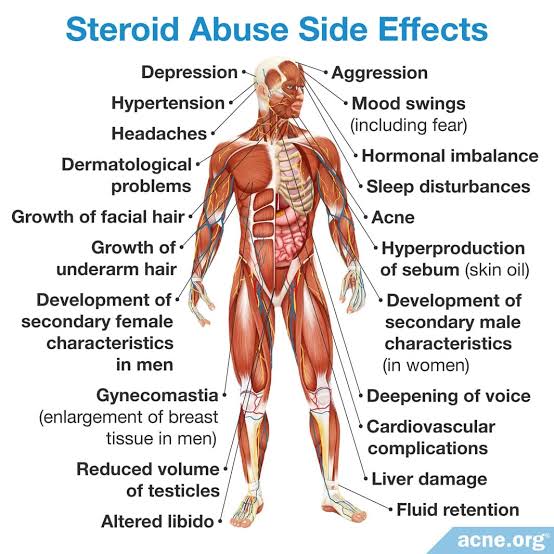
Most important advice regarding steroid usage (full article)From a medical and clinical harm-reduction perspective, non-prescribed anabolic-androgenic steroid (AAS) use carries significant short- and long-term risks to cardiovascular, endocrine, hepatic, and psychological health. For individuals who choose to use performance-enhancing compounds despite these risks, minimizing severe health complications relies on structured, proactive health monitoring rather than relying on subjective feelings alone.
1. Comprehensive Health Monitoring & Bloodwork
Internal physiological strain often occurs long before physical symptoms appear. Establishing baseline bloodwork prior to usage—and conducting regular clinical panels during and after a cycle—is essential. Key markers requiring continuous monitoring include:
Lipid Profiles: AAS typically suppress high-density lipoprotein (HDL) and raise low-density lipoprotein (LDL), sharply elevating long-term cardiovascular risk.
Hematology (Red Blood Cell Count & Hematocrit): Elevated hematocrit increases blood viscosity, raising the risk of hypertension, blood clots, or stroke.
Liver Function Tests (ALT/AST): Crucial when using oral C17-alpha alkylated steroids, which carry high hepatotoxicity.
Cardiovascular & Endocrine Indicators: Routine blood pressure checks, resting heart rate evaluations, and full hormone panels (LH, FSH, total/free testosterone, estradiol).
2. Dosing Principles, Purity, and Administration
Higher dosages and complex poly-pharmacy ("stacking") exponentially compound organ stress and side effects without providing proportional muscle growth. Maintaining conservative, single-compound protocols minimizes volatile side effects and makes managing adverse reactions far more straightforward. Because illicit black-market compounds frequently suffer from mislabeling, under-dosing, or bacterial contamination, verifying compound authenticity and practicing strict sterile injection technique (single-use equipment, alcohol swabs, and rotating site locations) are vital to preventing deep abscesses and systemic infections.
3. Hormonal Recovery & Psychological Awareness
Exogenous androgen exposure suppresses the body's natural hypothalamic-pituitary-testicular (HPT) axis. Without a clear strategy for Post-Cycle Therapy (PCT) or medical guidance on endocrinological recovery, individuals risk prolonged or permanent hypogonadism, severe depressive episodes, and sudden muscle loss upon cessation. Furthermore, monitoring mood alterations—such as heightened anxiety, irritability, aggression, or sudden shifts in body image—is critical to protecting personal relationships and mental well-being throughout the process.