The Ultimate Glute Guide: Why Glute Training Is So Popular (And Amazing Glute Transformations)Over the past decade, lower body training has undergone a major cultural and athletic shift. What was once treated as a secondary component of general leg workouts has evolved into a central focus of modern fitness programming. Walk into almost any gym today, and you will see dedicated hip thrust benches, resistance band warm-ups, and targeted lower-body routines designed around one primary objective: building stronger, well-developed glutes.

1. The Shift Toward Athletic, Strong Aesthetics
For decades, mainstream fitness marketing targeted toward women focused heavily on restrictive cardio and high-repetition workouts aimed at minimizing body size. Modern fitness culture has embraced athletic conditioning, lean muscularity, and functional strength. A well-developed posterior chain represents power, health, and athletic capability.
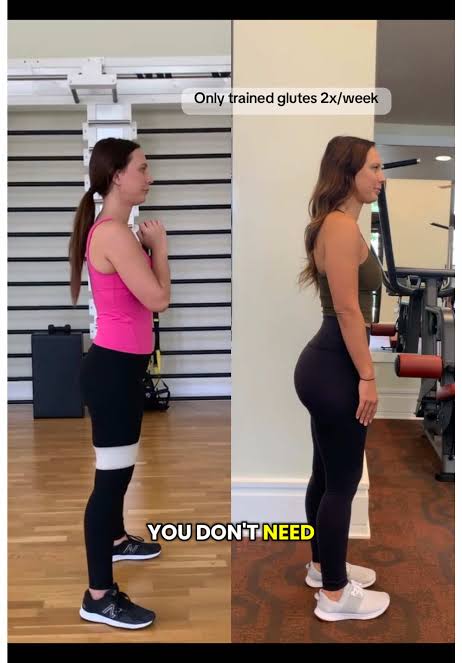
Gluteus Maximus: The largest and most powerful muscle in the human body. It is primarily responsible for hip extension (moving the leg backward) and external rotation. It creates the primary size, depth, and projection of the lower body.
Gluteus Medius: Situated on the upper, outer side of the pelvis. Its primary role is hip abduction (lifting the leg out to the side) and stabilizing the pelvis during single-leg movements like walking, running, and lunging. Developing this muscle creates upper glute fullness.
Gluteus Minimus: The smallest and deepest of the primary gluteal muscles, sitting directly beneath the medius. It works alongside the medius to stabilize the hip joint and assist in internal and external rotation.